Legislative Update - The Alabama Property Protection Act of 2026
This blog was part of an ongoing series of educational classes and attempts to summarize new legislation affecting Realtors in Alabama. Nothing in this blog should be used in place of actual legal advice. Please contact an attorney, HAAR, or AREC if you have questions about this legislation.

Title 35, Chapter 21 of the Alabama Code (a brand new chapter created specifically for this Act) was established by the Alabama Property Protections Act of 2026 (SB 292 / Act 2026-536) to combat the rising threat of real estate and title fraud, seller impersonation, and fraudulent conveyances. It was supported by the Alabama Association of Realtors, the Alabama Bankers Association, the Southeast Land Title Association, and the Alabama Land Title Association, and went into effect on October 1, 2026.
This new Act will make our jobs require a little more work, which is a good thing based on the prevalence of real estate fraud in recent years.
- Grants Alabama Securities Commission explicit authority to investigate fraud complaints, issue binding administrative orders rather than waiting for a whole court proceeding, void forged deeds, and expedite the process
- Creates new ID verification requirements
- Agents, Brokers, and Settlement Agents must verify the ID of the seller
- Creates the Alabama Title Fraud Recovery Fund to compensate homeowners who suffer losses
- Funded by civil penalties forfeiture of illicit proceeds seized from perpetrators
- Streamlined the Quiet Title process for fraudulent transactions
- Implemented harsher criminal penalties, making seller fraud a Class C felony
- Authorized the Commission to fund free property alert systems either statewide or county to county
- Madison County already has a property alert system, but now the commission will oversee all alert systems so they can create a statewide system to track all properties within the state
- Alert systems are not preventative – typically the fraudulent transaction has already taken place when you are notified, but this helps prevent further damage as the longer you wait in these situations the more damage you tend to incur
REALTOR’S RESPONSIBILITY TO VERIFY A SELLER
If the seller is unknown to you, they are not physically present for you or your broker to meet them, and they do not make themselves physically present to meet you or your broker, then the Realtor must verify their identity.
- Seller must present Realtor with government-issued ID
- Seller must present Realtor with proof of ownership of the real property
A Realtor cannot enter into an agreement with a seller they do not know and have not met without the above information.
Once this information is obtained, the Realtor is responsible for maintaining it for 5 years in a secure location.
One of the benefits of this new law is that it limits how long after a fraudulent transaction that a real estate agent, broker, or settlement agent can be sued. All civil actions must be taken within 4 years of property transfer.
If you as an agent ever have doubts or red flags regarding a seller’s identity, please reach out to us. We are happy to run them through our security portal to help you verify their identity before you get too deep into their transaction.
SETTLEMENT AGENT’S RESPONSIBILITY TO VERIFY A SELLER
Once a settlement agent is involved, they are also required to verify the seller’s identity. Settlement agents must conduct identity validation and identity certification of any seller of real property that is:
- Class II Property (Residential)
- Vacant or not owner-occupied, and
- Unencumbered by a security instrument
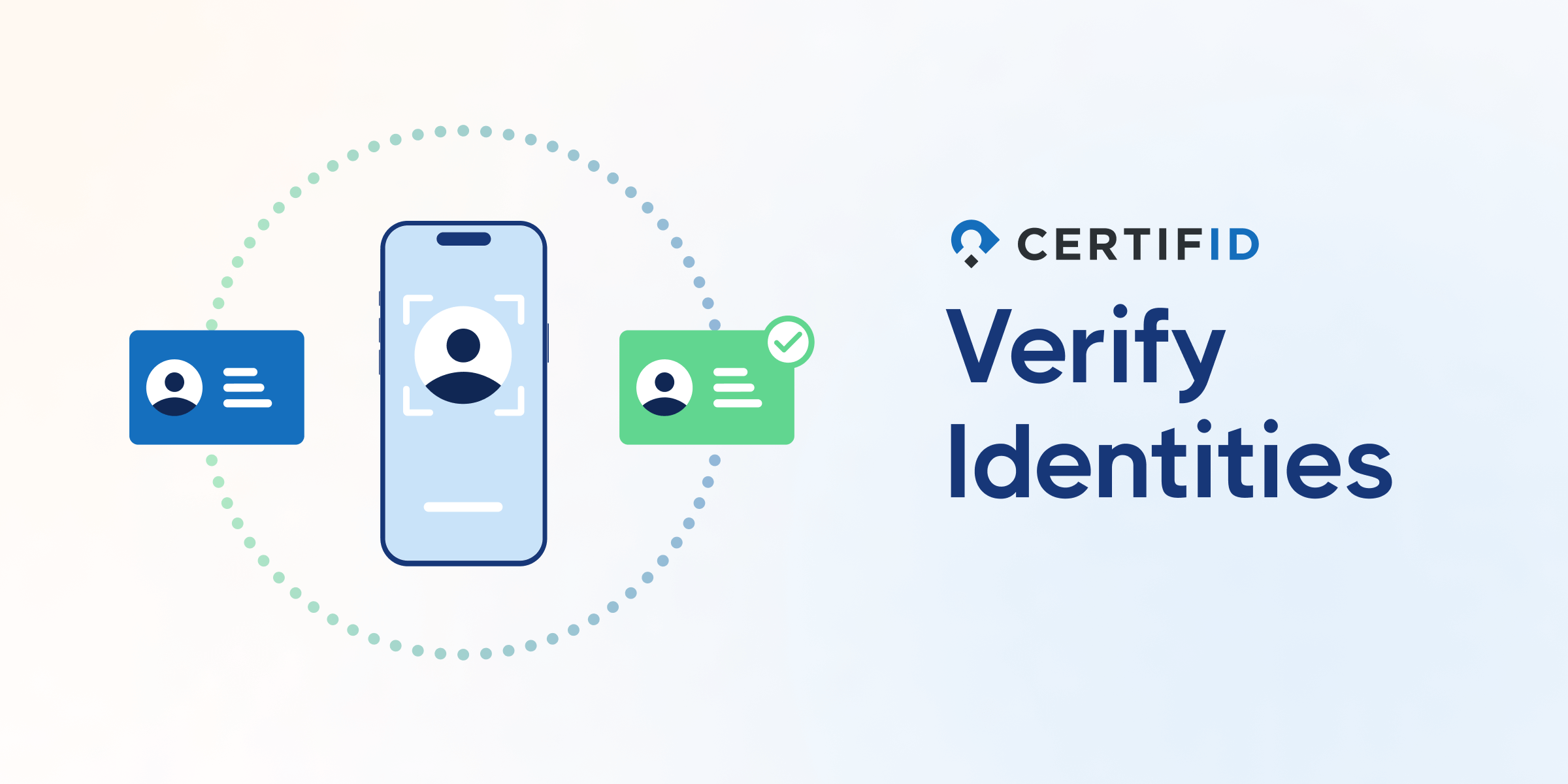
We use a third party identity verification company for this in which the seller would have to enter a portal online to upload a photo of their ID, take a selfie, and answer a few questions about places they have lived in the past. If the data is run through both the state and federal databases and comes back as matching the records on file, then the ID verification will be approved.
Just as with the Realtor, a settlement agent is also expected to maintain any documentation demonstrating compliance of the above for 5 years. Any civil action against the real estate agent, broker, or settlement agent arising from a transfer of real property must be commenced no later than 4 years after the date the transfer was recorded in the public records.
A NOTE FROM HAAR
If the seller is known to you OR if you meet them in person, these statutory steps are not strictly required by law, though implementing these ID verification steps remains a strong risk-management best practice for ALL transactions.
If you have any questions regarding seller fraud and seller identity verification, please contact AREC, HAAR, or us at Atlas Title for help and guidance.
